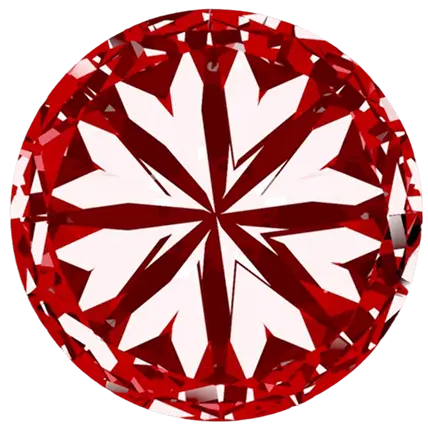
Visual Performance

How Brilliance, Fire and Beauty is Graded

What is Visual Performance?

Visual Performance is VeraLume™’s proprietary score reflecting brilliance, fire, and face-up beauty. It is calculated through a multi-factor analysis of cut precision, polish, symmetry, light behavior, and structural clarity. The system also evaluates advanced criteria often excluded from other reports, such as growth line visibility and subtle color tone, providing a more complete picture of a diamond’s true beauty.
VeraLume™’s proprietary score for brilliance, fire, and face-up beauty. It combines cut precision, polish, symmetry, and light behavior with advanced factors like growth line visibility and subtle color tone, giving a fuller picture of a diamond’s beauty.

Grade Scale

Because brilliance, fire, and beauty deserve to be measured with the same precision as cut and clarity.
Excellent
100
Very Good
89
Good
84
Fair
79
Poor
74
100
Excellent
89
Very Good
84
Good
79
Fair
74
Poor
Excellent (90–100%)
Very Good (85–89%)
Good (80-84%)
Fair (75-79%)
Poor (74% and less)

What This Grade Reflects

  • Appeal of the face-up shape outline
  • Precision of facet patterning
  • Consistency of light return
  • Minimization of dark areas
  • Strength of scintillation and contrast
  • Balance of proportions that enhance beauty

Experience the Diamond

Visual Performance, brought to life in 360°

Elements of Visual Performance

Beyond the 4Cs, Visual Performance reflects the artistry and science of diamond grading. Each factor shown here contributes to a score that captures true brilliance and beauty.

Color Tone

Subtle undertones are carefully identified, even in colorless grades, to ensure accurate evaluation.
Pure
Brown TINT
Grey TINT
Blue TINT

Growth Lines

Internal growth features are examined under magnification to determine their impact on transparency and brilliance.
None
Slight
Moderate
Distinct

Cut Grade

Round diamonds are graded against stricter standards than conventional labs. Unlike most grading systems, VeraLume™ also assigns
quantified cut grades to fancy shapes (non-round), based on depth and table percentages, facet angles, and proportions.
Ideal+
Ideal
Very Good
Good
Fair
Poor

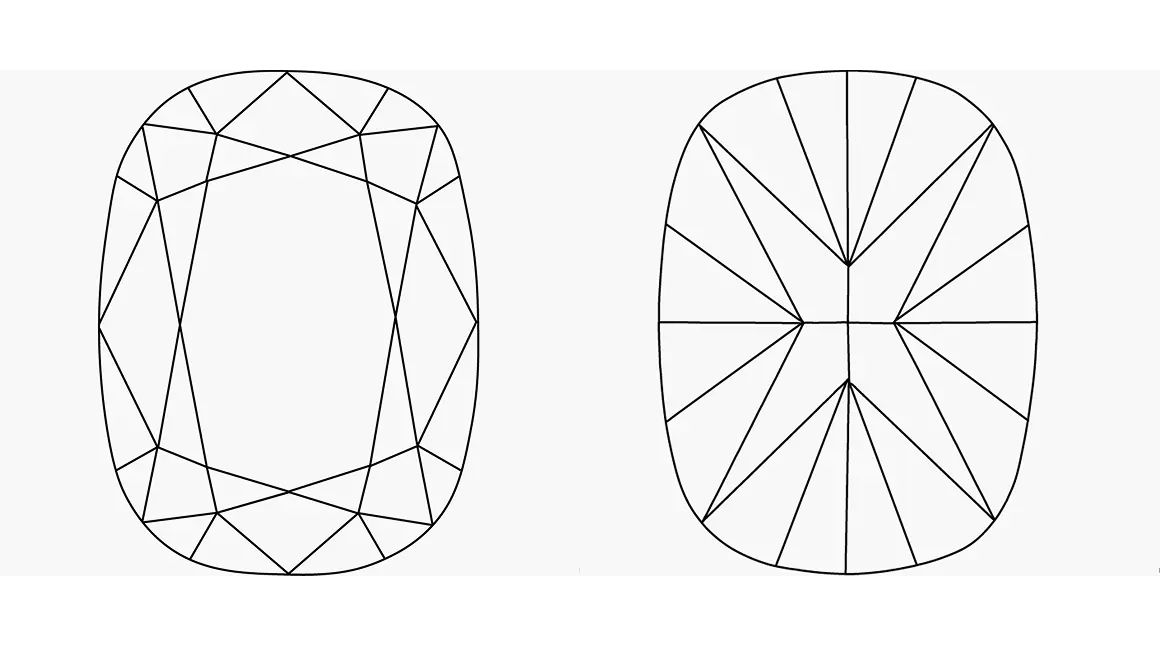
Facet Design

Crown and pavilion views illustrating exacting cutting styles that maximize face-up appearance, outline, and brilliance.
Crown and Pavillion Cut Diamond  Illustration.

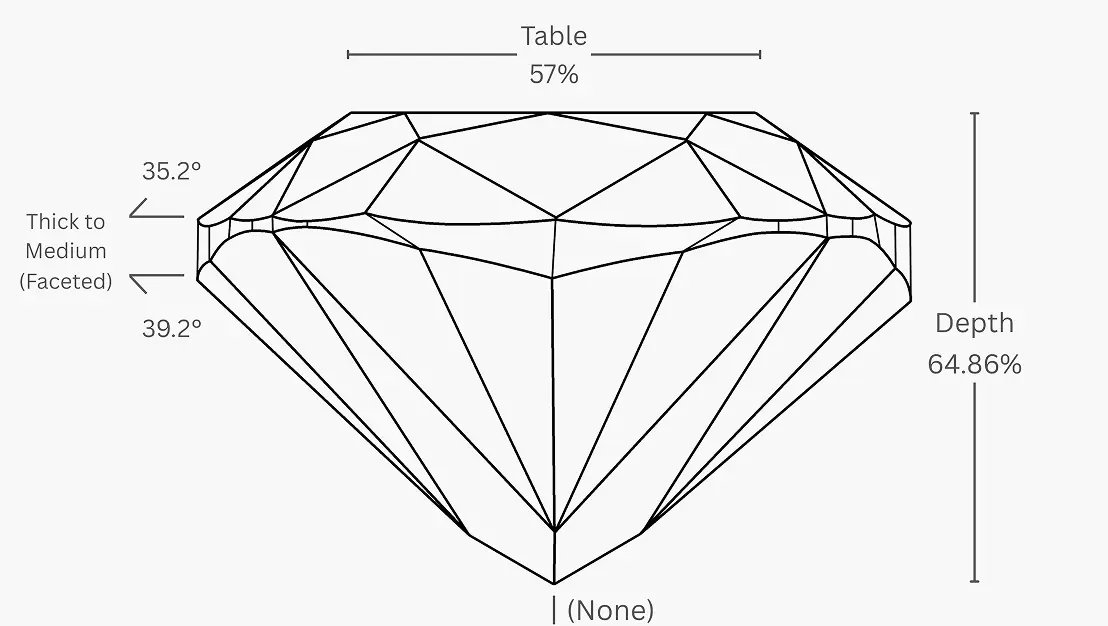
Proportions

Profile view measuring depth, table, crown, and pavilion angles to assess cut precision.
Diamond Proportions Diagram.

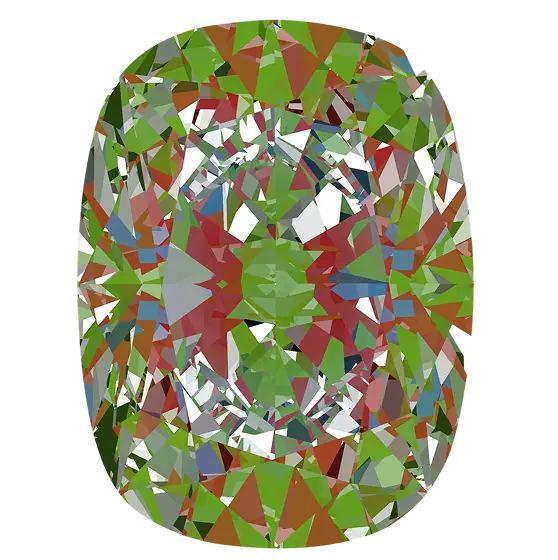
ASET Analysis

Light performance map showing brightness, contrast, and areas of light leakage.
Diamond ASET Analysis.
Brightness
Less Bright
Light Leakage
Contrast

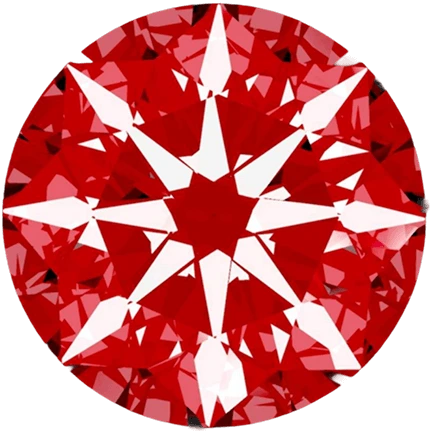
Hearts & Arrows

Symmetry patterns unique to round brilliants, confirming precise facet alignment.
Arrow Pattern on Diamond.
Arrow Image
Heart Pattern on Diamond.
Heart Image

Visual Performance FAQ

How brilliance, fire, and face-up beauty are measured through VeraLume’s Visual Performance analysis.

What is Visual Performance in diamond grading?

arrow-down icon
Visual Performance measures how a diamond interacts with light, reflecting brilliance, fire, contrast, and face-up beauty. VeraLume uses a proprietary scoring system to evaluate these qualities more precisely than traditional grading alone. The system also assesses advanced factors often excluded from standard reports, including growth line visibility and subtle color tones.


How does Visual Performance differ from traditional cut grading?

arrow-down icon
Traditional cut grading focuses on proportions, while Visual Performance evaluates how those proportions actually influence light behavior, sparkle, and visual balance.

What factors contribute to a diamond’s Visual Performance score?

arrow-down icon
VeraLume analyzes cut precision, symmetry, polish, structural clarity, and light behavior to determine how consistently the diamond reflects and disperses light.

Why is light behavior important in diamond beauty?

arrow-down icon
Light behavior determines brightness, sparkle, and contrast. Even subtle variations in facet alignment or proportions can change how a diamond performs visually.

How does VeraLume measure brilliance and fire?

arrow-down icon
Brilliance and fire are evaluated through optical analysis and performance mapping, helping quantify how effectively the diamond returns white light and disperses color.

What does face-up beauty mean in grading?

arrow-down icon
Face-up beauty refers to how a diamond appears when viewed from the top, including brightness, symmetry, and balance, factors that influence a diamond’s first visual impression.

Can two diamonds with similar cut grades have different Visual Performance?

arrow-down icon
Yes. Diamonds with similar proportions may still differ in symmetry, facet precision, or internal structure, which can change how light moves through the stone.

How does VeraLume incorporate structural characteristics into performance grading?

arrow-down icon
Structural clarity and internal growth features are considered alongside optical measurements, as they can influence transparency and light return.

Why does VeraLume include performance grading alongside traditional metrics?

arrow-down icon
Traditional grading describes what a diamond is, while performance grading explains how it looks, bridging the gap between technical specifications and real-world appearance.

How does Visual Performance help buyers compare diamonds?

arrow-down icon
It provides a measurable way to understand sparkle, brightness, and balance, making visual differences clearer than relying on color and clarity grades alone.