Every diamond is graded by hand with uncompromising standards, supported by advanced techniques for absolute precision.
Color
Compared to master stones under controlled conditions to determine hue and saturation.
Compared to master stones under controlled conditions to determine hue and saturation.
Color Tone
Subtle undertones — brown, grey, or blue — assessed using expert evaluation and advanced optical tools.
Undertones like brown, gray, or blue — disclosed through expert evaluation and optical tools.
Clarity
Inspected under 10× magnification to identify and classify inclusions and surface features.
Inspected under 10× magnification to identify and classify inclusions and surface features.
Growth Lines
Examined with magnification to reveal internal growth patterns that may affect transparency or structure.
Internal growth patterns — none, slight, moderate, or distinct — identified through expert review.
Cut
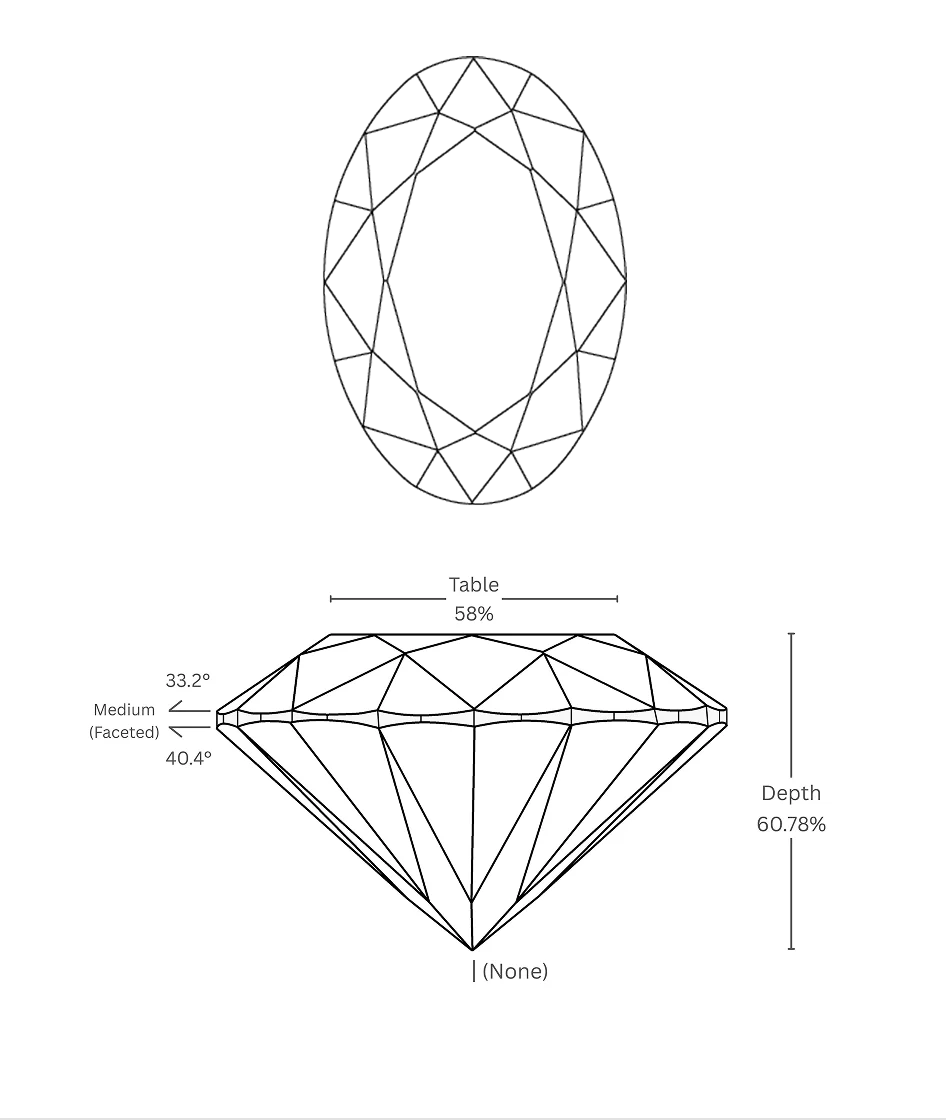
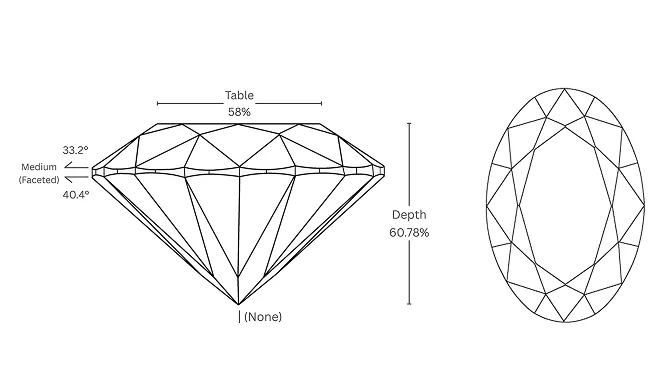
Stricter standards for round diamonds; also applied to fancy shapes based on depth, table, angles, and proportions.
Stricter standards for rounds, also applied to fancy shapes based on depth, table, and proportions.
Visual Performance
A weighted score of light behavior, symmetry, and precision — reflecting overall brilliance, fire, and balance.
Weighted score of brilliance, fire, symmetry, and precision — showing overall face-up beauty.
Our Standard vs. Soft Grading
Not All Grading is Equal
What VeraLume Reveals
Honest Grading
Strict, GIA-referenced standards
Color Tone Disclosure
e.g., Brown Tint visibly noted
Growth Line Identification
e.g., Moderate Growth Lines
Visual Performance Score
e.g., 80% — Good
What Soft Grading Overlooks
Lack of Transparency
Standards applied unevenly, reducing accuracy.
Inflated Color Grade
Subtle brown or grey tones ignored
Inaccurate Clarity Grade
Inclusions that affect beauty go under-reported
Performance
No measure of sparkle, balance, or structural features
What VeraLume Reveals
Honest Grading
Strict, GIA-referenced standards
Color Tone Disclosure
e.g., Brown Tint visibly noted
Growth Line Identification
e.g., Moderate Growth Lines
Visual Performance Score
e.g., 84% — Fair
What Soft Grading Overlooks
Lack of Transparency
Standards applied unevenly, reducing accuracy.
Inflated Color Grade
Subtle brown or grey tones ignored
Inaccurate Clarity Grade
Inclusions that affect beauty go under-reported
Visual Performance Score
No measure of sparkle, balance, or structural features
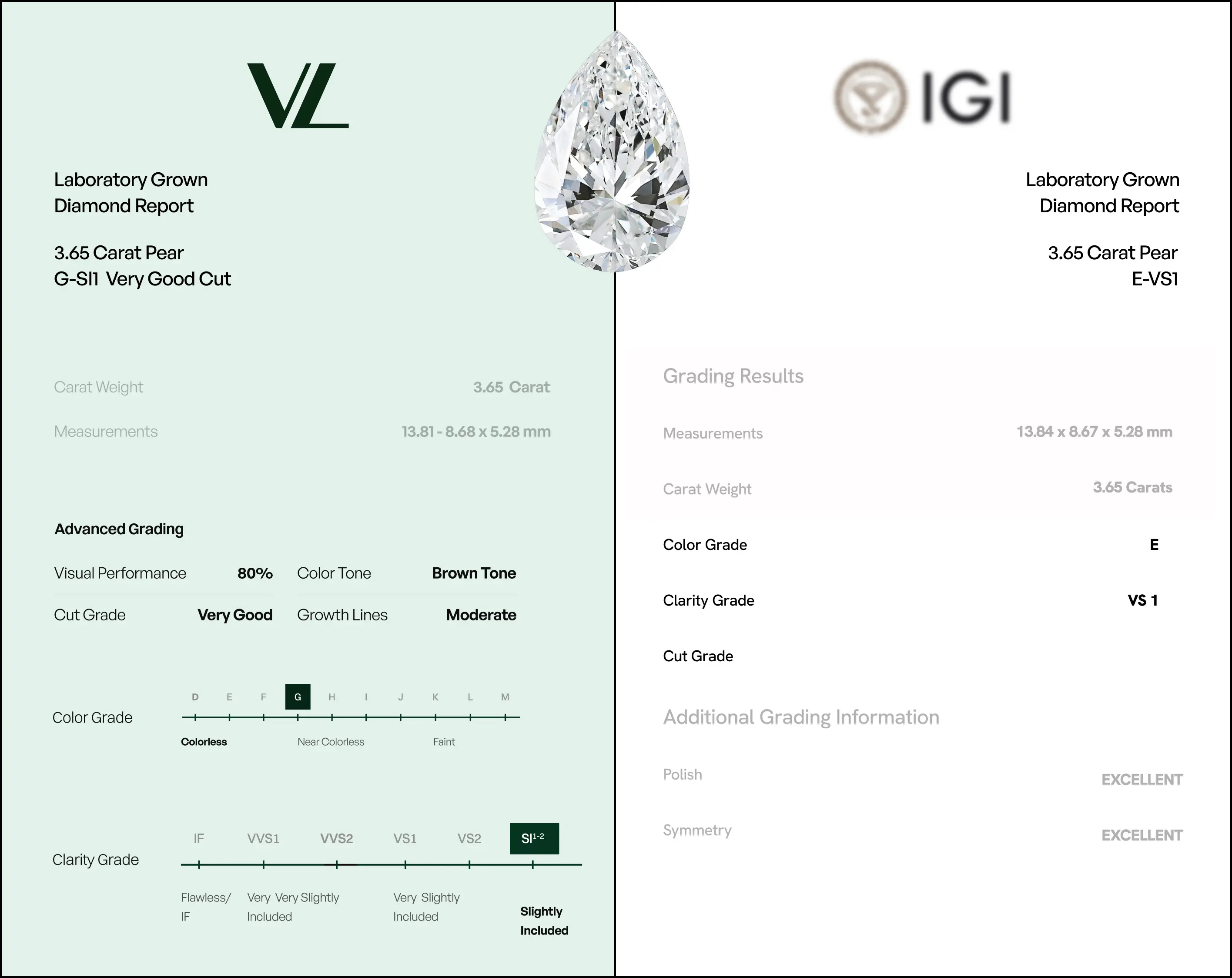
Same Diamond, Different Grades
The same diamond, two very different outcomes.
Soft Grading
E / VS1 — “Perfect on Paper”
VeraLume Standard
G / SI1 — Brown Tone • Moderate Growth Lines • VP: 80% (Good)
Same Grade, Different Standards
Not all E/VS1 diamonds are equal.
Soft Grading
E/VS1: On paper, appears high quality — but shows undertones, inclusions, and weaker performance.
VeraLume Standard
E/VS1: Truly meets the strict standard — crisp, bright, free from undertones, with a high Visual Performance score.
Cut Grading, Redefined
Most labs grade only round diamonds. Veralume applies stricter standards for rounds and assigns cut grades to fancy shapes.
Limited Standards
Cut grades applied only to round diamonds, often with broad, lenient criteria.
Comprehensive Evaluation
Stricter thresholds for rounds and full cut grading for fancy shapes based on depth, table, angles, and proportions.
Ideal+
Ideal
Very Good
Good
Fair
Poor
GIA grading report - Each qualifying diamond also includes a GIA grading report for independent verification
How We Grade FAQ
Inside the VeraLume grading process—where expert evaluation and advanced analysis come together.
How are lab-grown diamonds graded?
Lab-grown diamonds are evaluated for color, clarity, cut, and carat weight. VeraLume goes beyond the 4Cs by analyzing structural characteristics and light performance to better understand how a diamond appears face-up.
Why do grading standards vary between diamond reports?
Grading can vary depending on how strictly standards are applied. Differences in how color, clarity, and proportions are interpreted may affect how accurately a report reflects a diamond’s true visual quality.
What is meant by “soft grading” in diamonds?
Soft grading refers to looser application of standards, where certain visual factors may be overlooked or under-reported, causing a diamond to appear stronger on paper than in real life.
How does VeraLume differ from other diamond grading companies?
VeraLume applies strict, industry-referenced standards supported by expert evaluation and advanced tools. In addition to traditional grading, it documents Color Tone, Growth Lines, and Visual Performance to provide deeper insight into appearance.
Why are undertones important in diamond grading?
Subtle undertones such as brown, gray, or blue can influence how a diamond appears even within the same color grade. VeraLume identifies and discloses these tones to more accurately reflect how the diamond looks in real life.
What are Growth Lines in lab-grown diamonds?
Growth Lines are internal crystal features formed during the laboratory growth process. Depending on their visibility, they may influence transparency and sparkle.
How is cut quality evaluated beyond basic proportions?
Cut evaluation can include facet precision, symmetry, and light behavior in addition to depth and table percentages. VeraLume incorporates these factors to better represent brilliance and balance.
How does VeraLume approach cut grading for different diamond shapes?
Most grading labs only provide a cut grade for round diamonds. Veralume applies stricter standards for rounds, while fancy shapes receive quantified cut grades based on measurable proportions, facet angles, and structural balance.
Why can two diamonds with the same grades look different?
Differences in undertones, structure, and light performance can change how a diamond appears. VeraLume grading helps reveal those distinctions more clearly.
What is the goal of more advanced diamond grading?
The goal is clarity and transparency. By documenting visual and structural characteristics, VeraLume helps buyers understand why diamonds vary in appearance, performance, and overall beauty.